

The Rongai Route of Kilimanjaro is one of the most scenic and less crowded paths to the summit of Mount Kilimanjaro. Approaching the mountain from the northern side near the Kenyan border, this route is known for its gradual ascent profile, drier climate conditions, and peaceful trekking atmosphere. For climbers seeking a quieter and steady climb with strong summit potential, the Rongai Route offers an excellent balance of comfort and challenge.
The Rongai Route of Kilimanjaro – Location and Starting Point
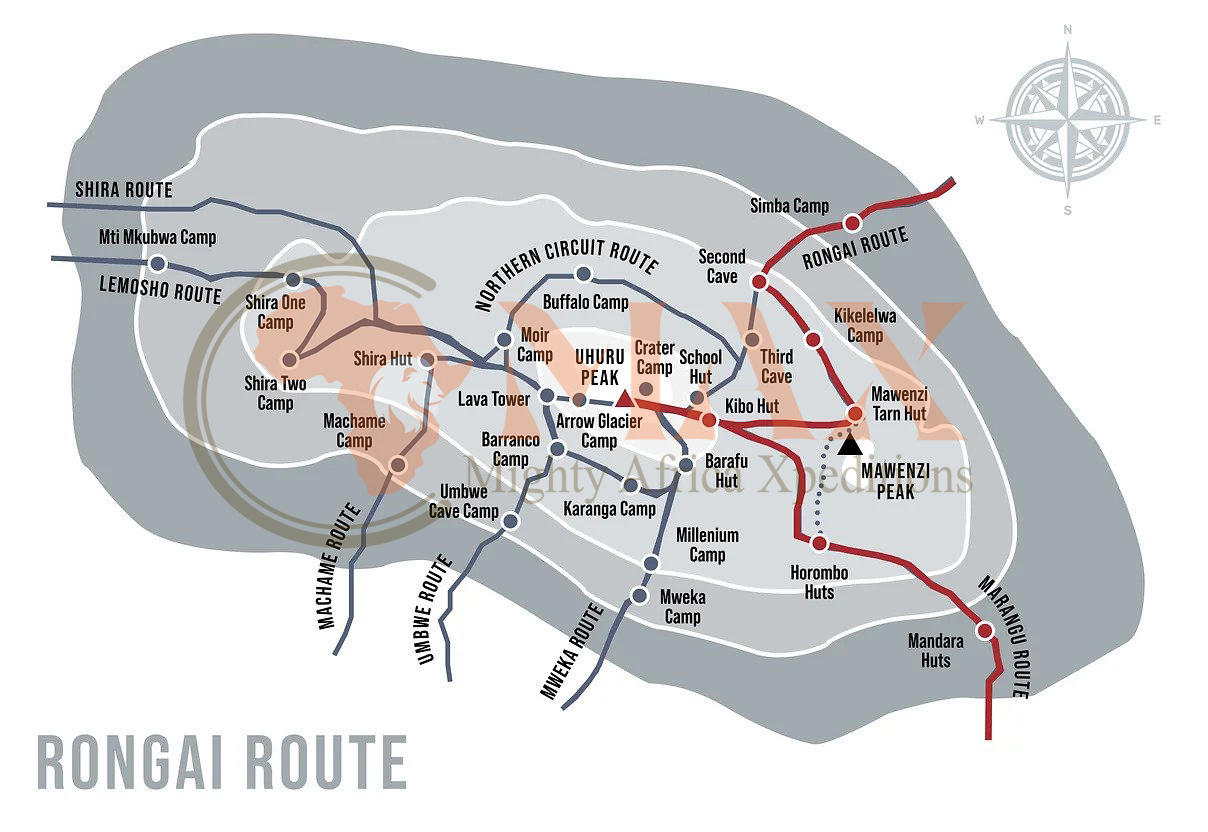
The Rongai Route begins at Rongai Gate on the northeastern slopes of Kilimanjaro. Unlike southern routes that experience heavier traffic, this trail offers a more remote and tranquil start. The northern side of the mountain receives less rainfall throughout the year, making it a reliable option even during Tanzania’s rainy seasons. The early days of the trek pass through farmland and montane forest before opening into expansive moorland terrain.
Scenic Highlights Along the Route
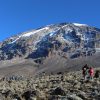
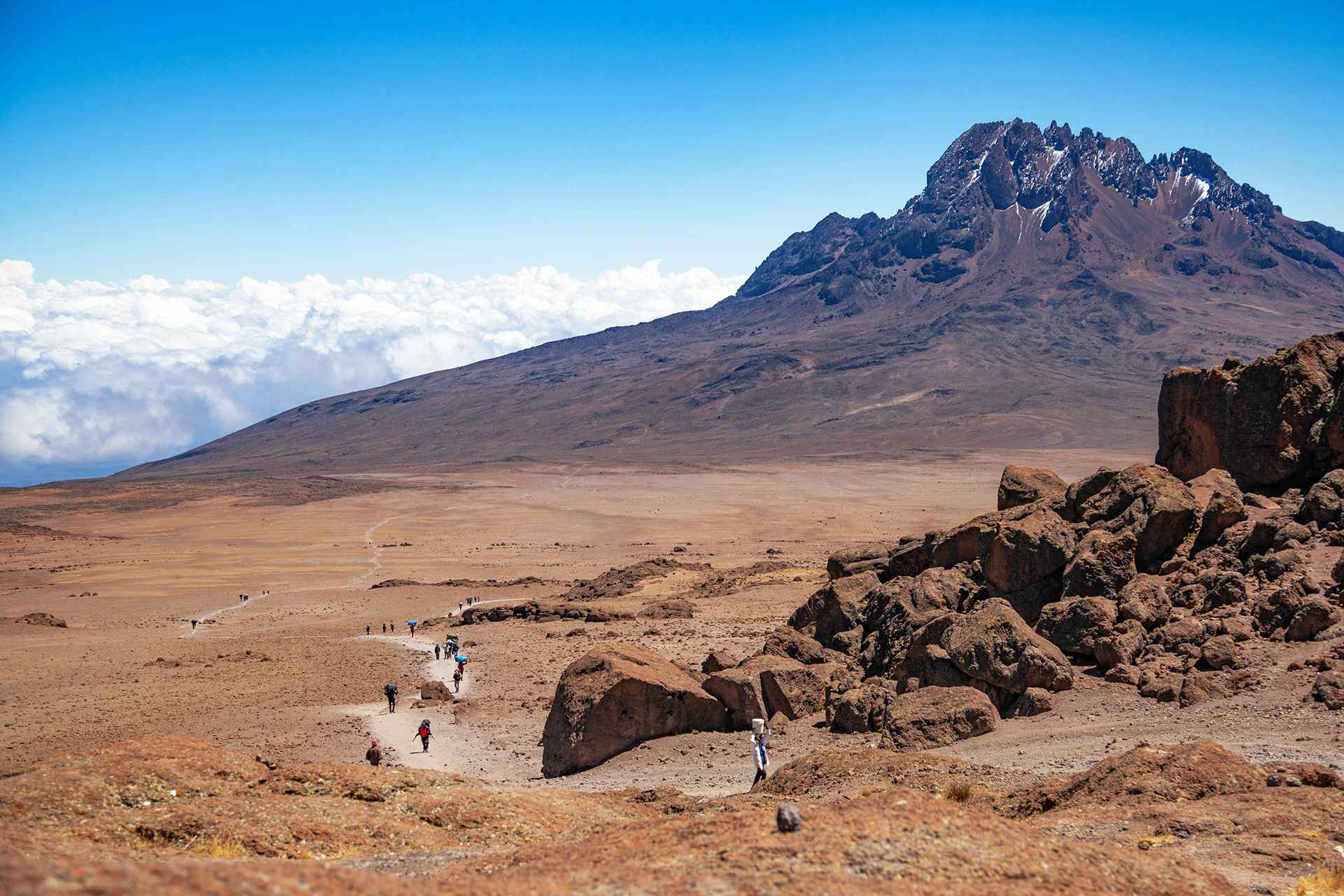
As climbers ascend, the landscape transforms dramatically. One of the most striking features of the Rongai Route is the close and dramatic view of Mawenzi Peak, Kilimanjaro’s rugged secondary summit. The campsite at Mawenzi Tarn is often described as one of the most beautiful on the mountain, surrounded by towering volcanic spires and vast open skies.
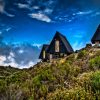
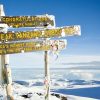
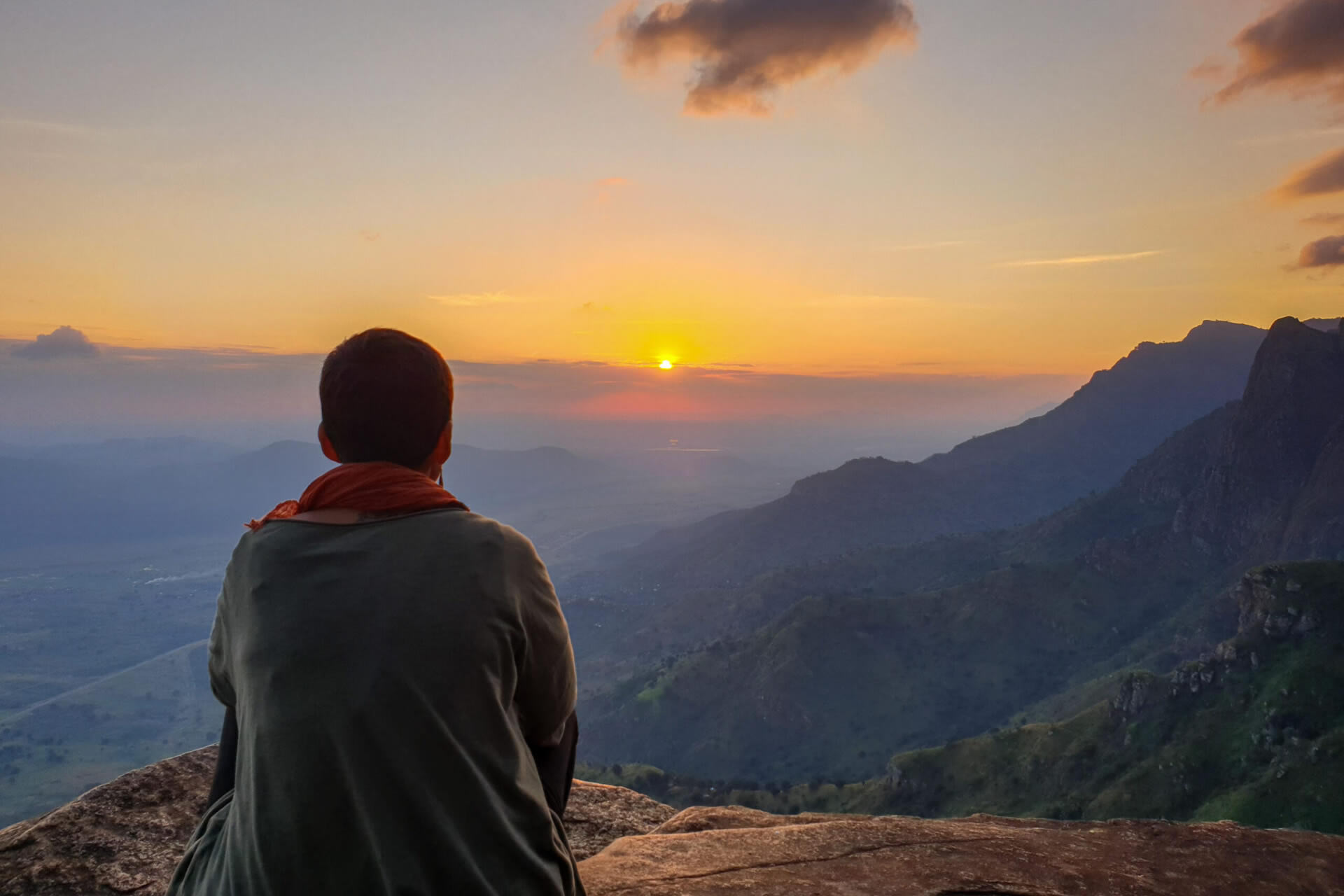
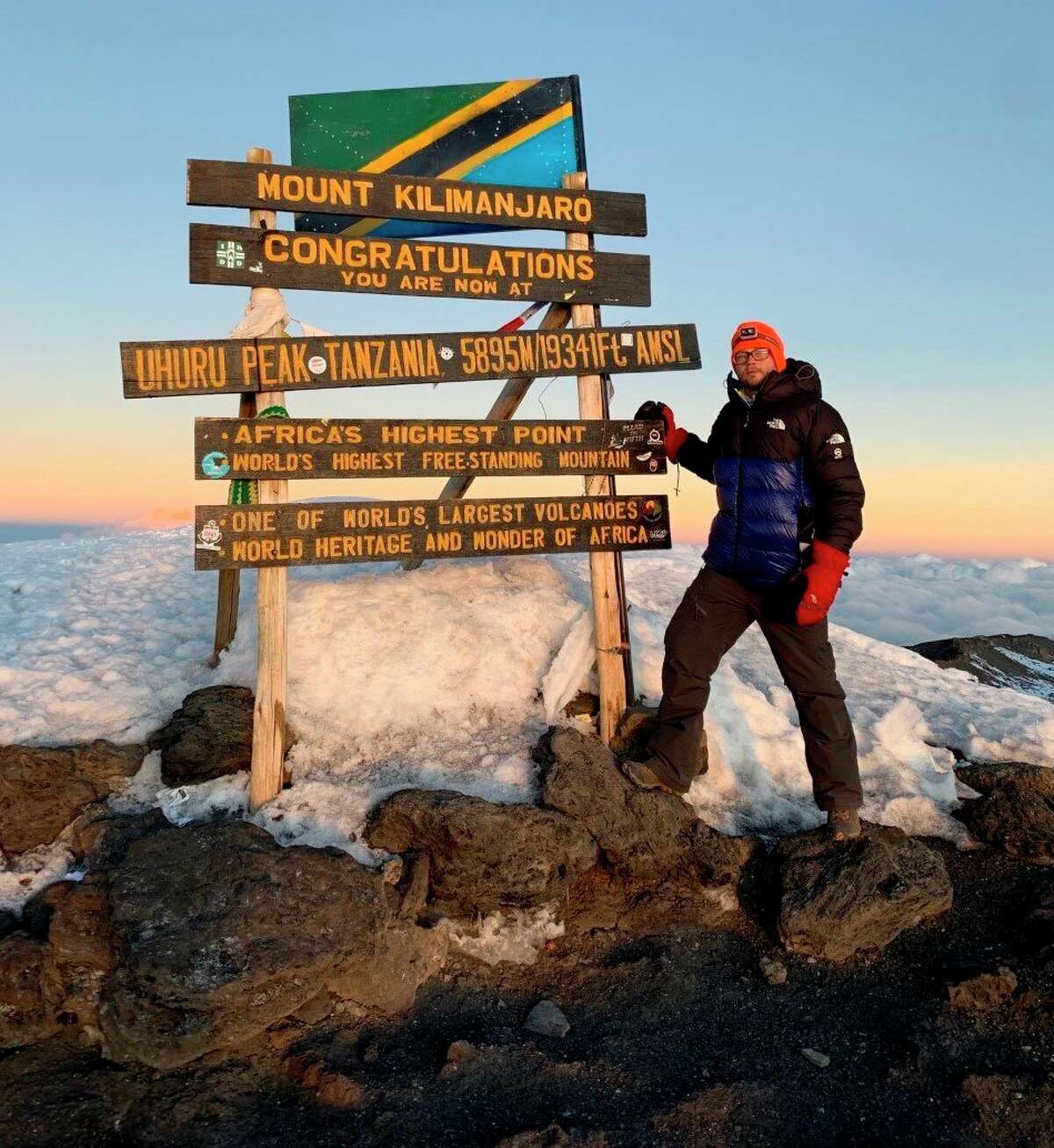
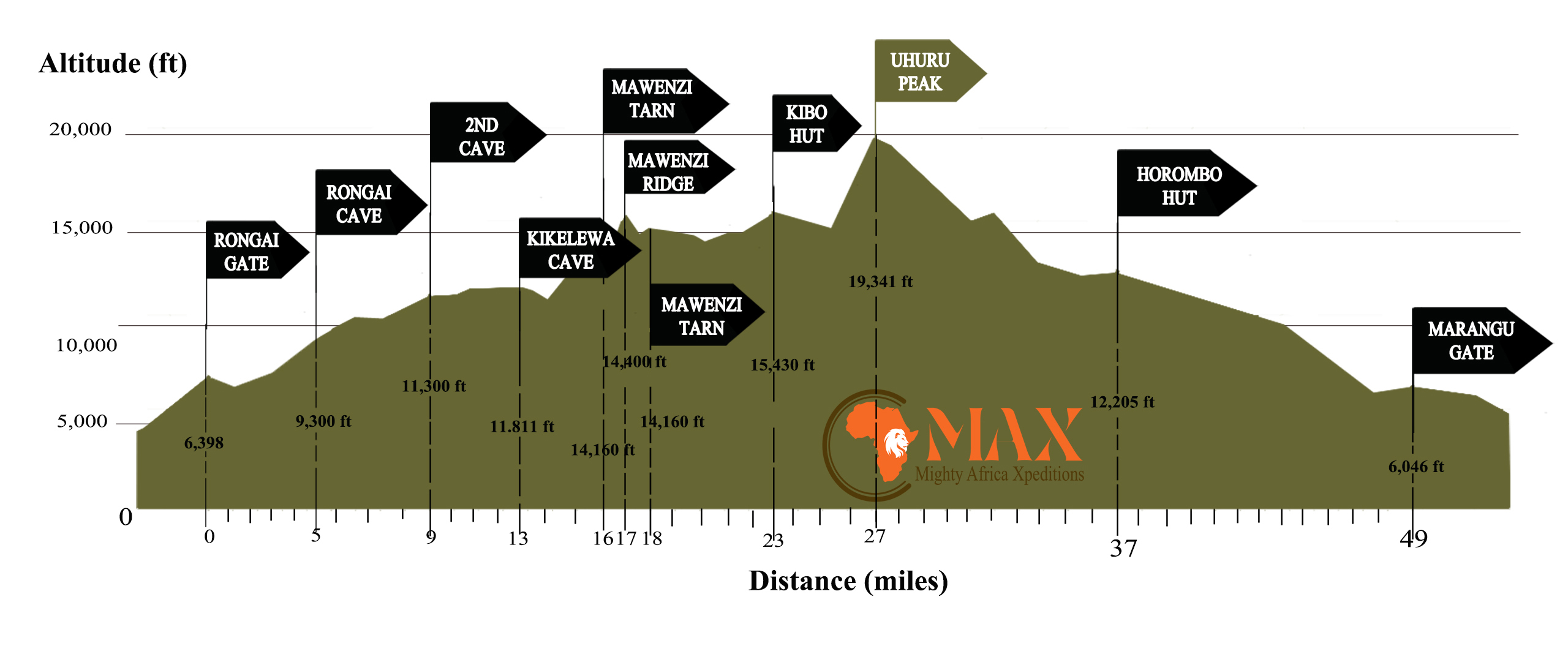
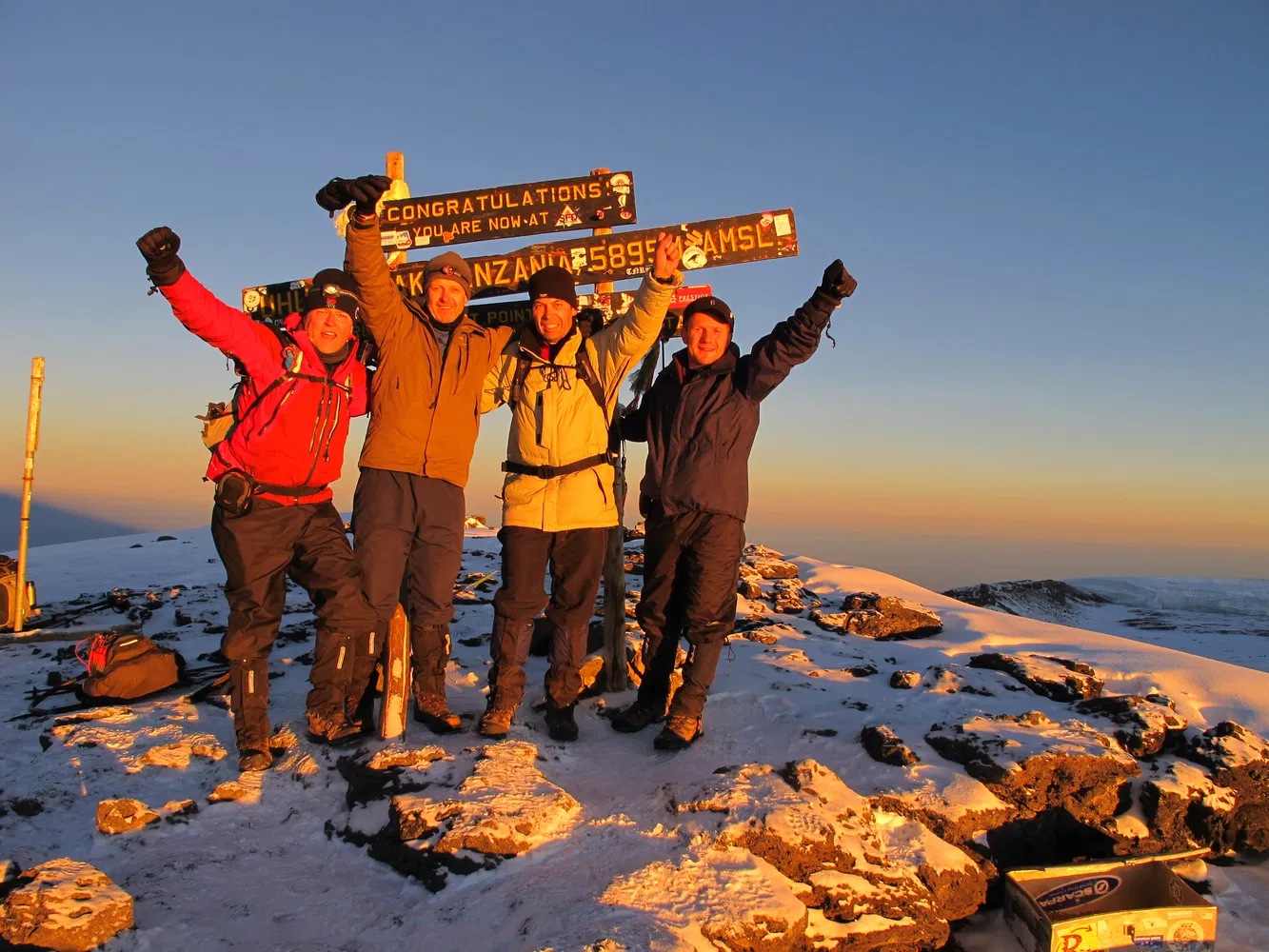
Beyond Mawenzi Tarn, trekkers cross the alpine saddle between Mawenzi and Kibo, a wide and surreal desert-like plateau. From Kibo Hut, climbers prepare for the summit push, ascending via Gilman’s Point before continuing along the crater rim to Uhuru Peak at 5,895 meters (19,341 feet).
Rongai Route Elevation Profile and Steepness
One of the most common questions climbers ask is: How steep is Kilimanjaro? While Kilimanjaro is a high-altitude mountain, it is not technically steep or requiring climbing skills. It is often described as a “walk-up mountain,” meaning no ropes or technical mountaineering experience are needed. The primary challenge is altitude rather than steep terrain.
The Rongai Route, in particular, is known for its gradual and steady incline. Starting at approximately 1,950 meters, the trail ascends progressively through designated camps before reaching Kibo Hut at around 4,700 meters. The gradient is generally moderate during the first several days, allowing trekkers to conserve energy. The steepest section occurs during summit night, where the trail becomes more demanding due to altitude and loose volcanic scree. However, the pace remains slow and manageable under professional guidance.
Summit Success Rate and Suitability for Senior Climbers
The Rongai Route of Kilimanjaro has a strong summit success rate, especially when completed over seven days. The gradual ascent profile supports better acclimatization, which significantly increases the likelihood of reaching Uhuru Peak. With proper pacing, hydration, and altitude monitoring, many climbers achieve successful summits via this route.
Because of its steady gradient and less crowded environment, the Rongai Route is often considered suitable for senior climbers or trekkers who prefer a slower and more controlled ascent. The manageable slopes during the early days reduce strain on knees and joints compared to steeper routes. While good physical preparation is still necessary, the route’s design makes it accessible to a wide range of age groups, provided climbers are medically fit and well-prepared.
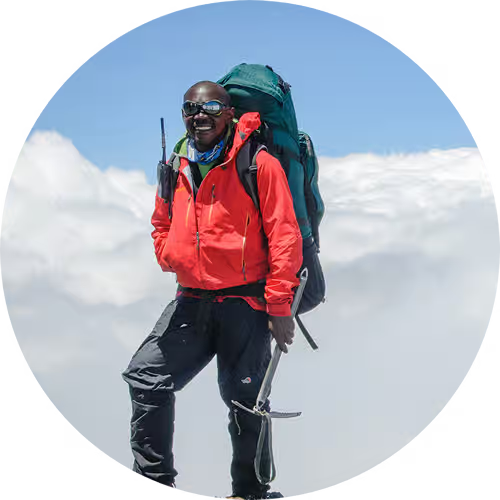
Mighty Africa Xpeditions carefully monitors oxygen levels and overall health throughout the trek, ensuring that climbers of all ages receive professional support and attention.
Duration and Acclimatization
The Rongai Route is typically completed in six or seven days. While the six-day option is available, the seven-day itinerary includes an additional acclimatization day near Mawenzi Tarn, greatly improving summit success rates and overall comfort. The extra day allows the body to adjust gradually to increasing elevations, reducing the risk of altitude-related symptoms.
For most climbers, particularly seniors or first-time high-altitude trekkers, the seven-day program is strongly recommended.
Route Itinerary Options: 6 Days and 7 Days
The Rongai Route of Kilimanjaro is available in two main itinerary options: 6 days and 7 days. Both follow the same scenic northern approach, but the difference lies in acclimatization time and overall comfort.
The 6-day itinerary is the standard program and is suitable for trekkers with good fitness levels and prior altitude experience. It follows a steady progression through the camps before the summit attempt and descent via the Marangu Route.
The 7-day itinerary includes an additional acclimatization day, typically spent around Mawenzi Tarn. This extra day allows climbers to adjust more gradually to the increasing altitude, significantly improving summit success rates and reducing the risk of altitude-related discomfort. For most trekkers — especially first-time high-altitude climbers or senior adventurers — the seven-day option is strongly recommended for better safety and enjoyment.
Mighty Africa Xpeditions offers both itinerary choices, ensuring professional guidance, proper pacing, and daily health monitoring regardless of the selected program.
Why Choose the Rongai Route?
Climbers often choose the Rongai Route for its tranquility, scenic diversity, and consistent elevation gain. The northern approach provides a sense of wilderness and solitude that many trekkers find appealing. Combined with its favorable weather patterns and steady ascent, the route offers both physical manageability and rewarding summit potential.
For those seeking a quieter climb with a gradual profile and strong summit prospects, the Rongai Route remains one of the best options on Kilimanjaro.
Climb with Mighty Africa Xpeditions
Selecting the right operator is crucial for safety and summit success. Mighty Africa Xpeditions provides licensed mountain guides, experienced support crews, quality equipment, and structured acclimatization strategies to maximize safety and achievement.
The Rongai Route of Kilimanjaro offers an unforgettable journey to Africa’s highest peak, combining scenic beauty, steady pacing, and impressive summit success rates — making it a top choice for climbers of varying ages and experience levels.