
Mount Kilimanjaro Climbing Seasons play a crucial role in determining the best time to trek Africa’s highest peak. Understanding the dry and rainy periods helps climbers choose ideal weather conditions, improve summit success rates, and enjoy clearer views from Uhuru Peak. Plan your adventure with confidence by selecting the right season for your Kilimanjaro climb.
Mount Kilimanjaro Climbing Seasons
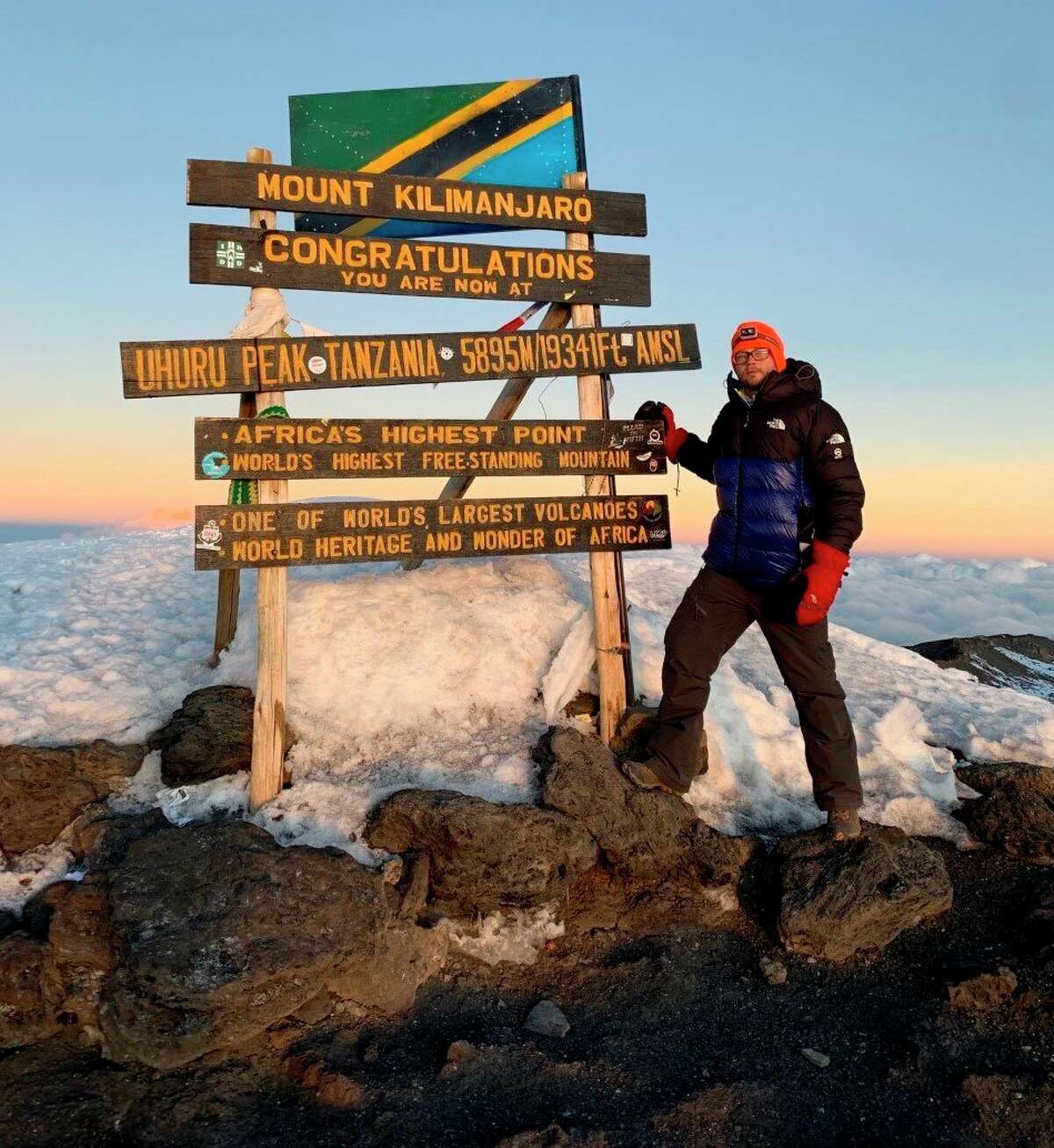
Mount Kilimanjaro is a bucket-list peak for adventurers from every corner of the globe. At 5,895 m (19,341 ft), it’s the tallest freestanding mountain on Earth and offers a unique challenge — one that can be enjoyed year-round, but is profoundly shaped by the seasons. The timing of your climb affects everything: weather conditions, trail difficulty, summit success potential, crowd levels, logistics and even your overall comfort on the mountain. Understanding Kilimanjaro’s seasonal rhythms gives you a strategic edge as you plan your expedition with Mighty Africa Xpeditions.
Why Season Matters More on Kilimanjaro Than Most Mountains
The equatorial location of Kilimanjaro means it doesn’t have winter and summer in the traditional sense; instead it cycles through dry and rainy periods influenced by regional monsoon patterns. These seasons change not only the amount of rainfall but also visibility, trail conditions, temperature, and even your chances of reaching Uhuru Peak.
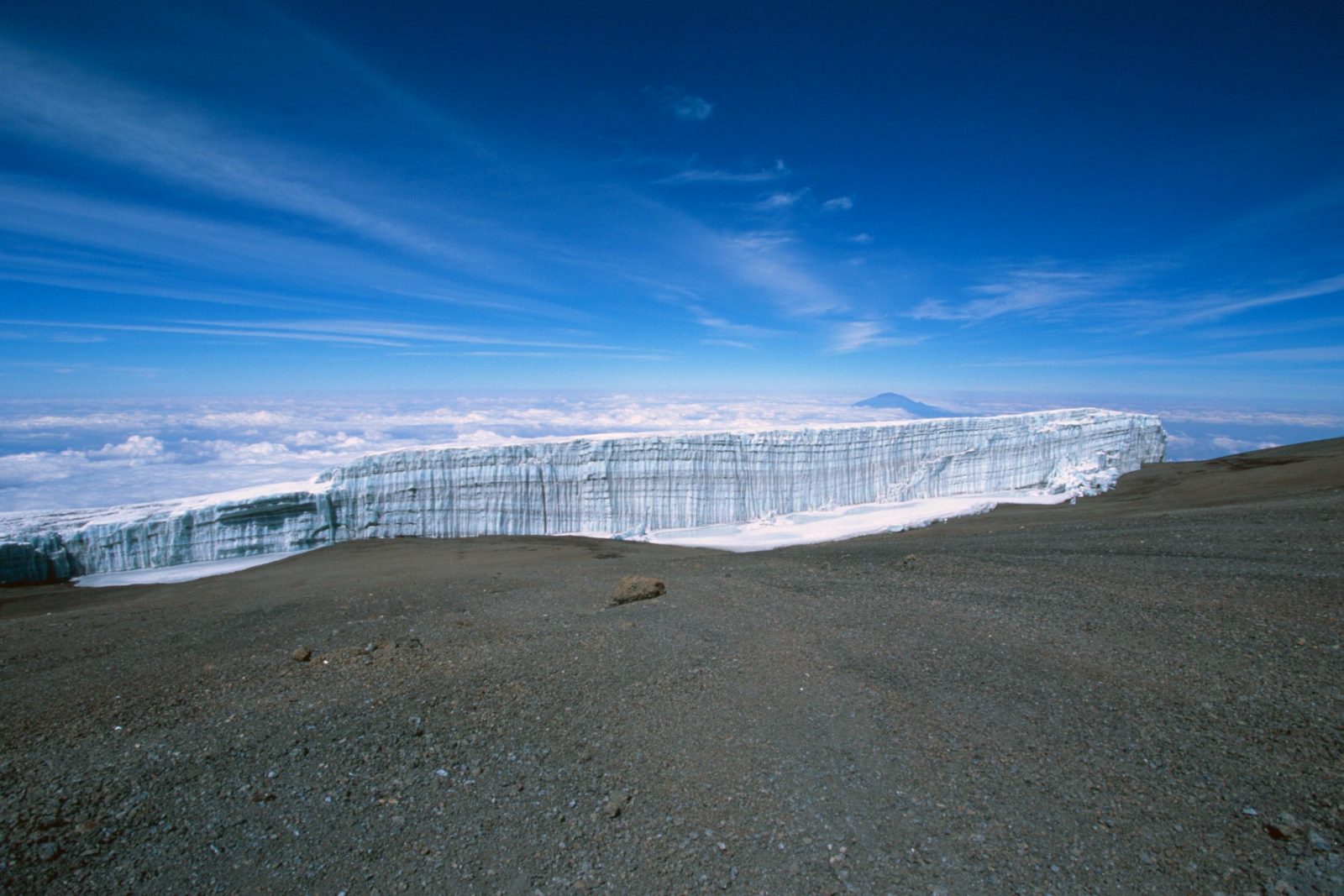
As you ascend the mountain, you cross several climatic zones — from the lush tropical rainforest at the base to the stark alpine desert and icy summit plateau. Each zone reacts differently to seasonal weather, which is one reason why even the “dry” seasons can feature sudden rain or snow at higher elevations.
Dry Seasons — When the Mountain Is Most Welcoming
Climbing Kilimanjaro during the dry periods is generally the most comfortable and successful choice for trekkers. These seasons see significantly less rain, firmer trail conditions, and clearer summit views — all of which reduce hazards and fatigue, making it easier to focus on your trekking goals.
January to Early March — The Short Dry Season
The early part of the year brings one of the most consistent windows of favorable weather. During these months, trails are usually dry, skies clear in the mornings, and rain showers are infrequent. This makes for excellent visibility and comfortable trekking conditions across most of the route. It’s a particularly good window for climbers who want fewer crowds but still benefit from strong weather patterns.
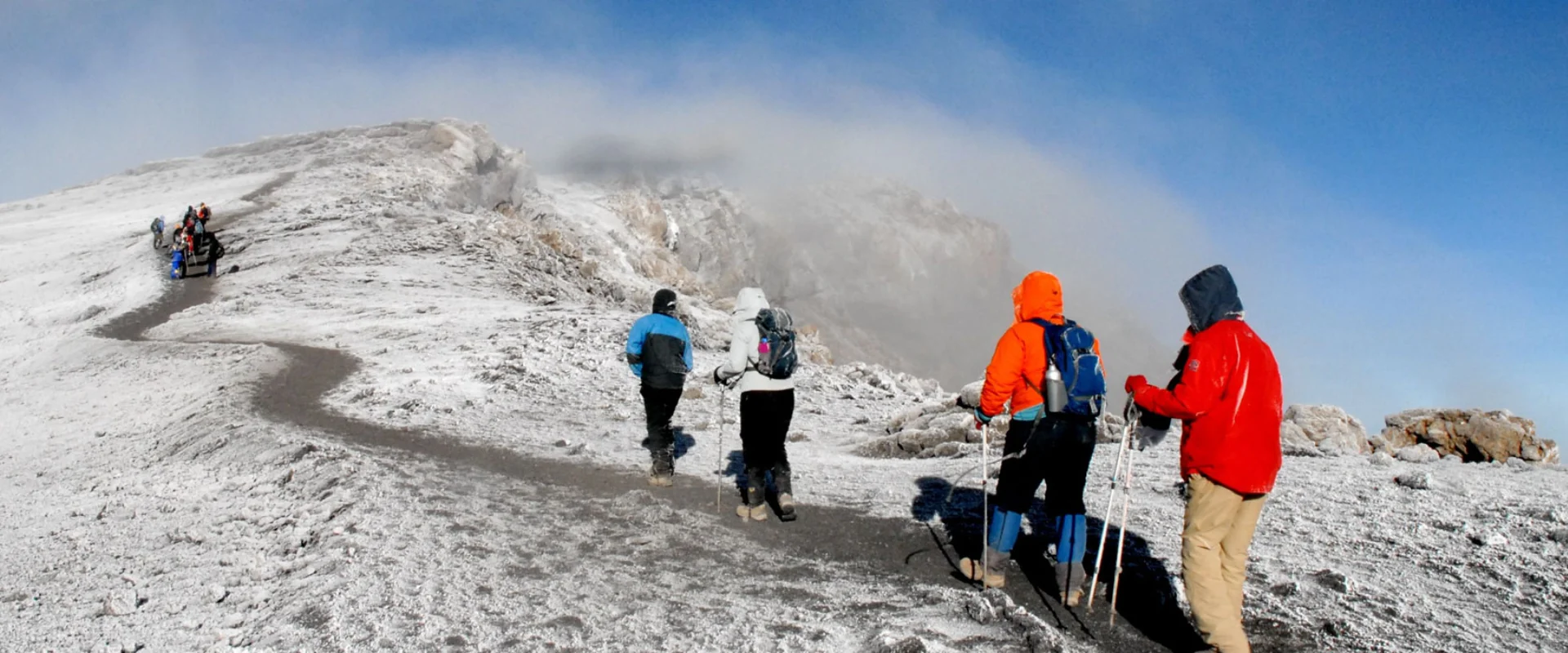
Human traffic on the mountain tends to increase around holiday weeks, especially in February, but compared to the mid-year peak months, trails remain relatively peaceful. If you time your climb around full-moon periods, you may also catch spectacular summit night light — a strategy many trekkers use to improve night navigation and experience magical views of the crater rim.
June to October — The Long Dry Season
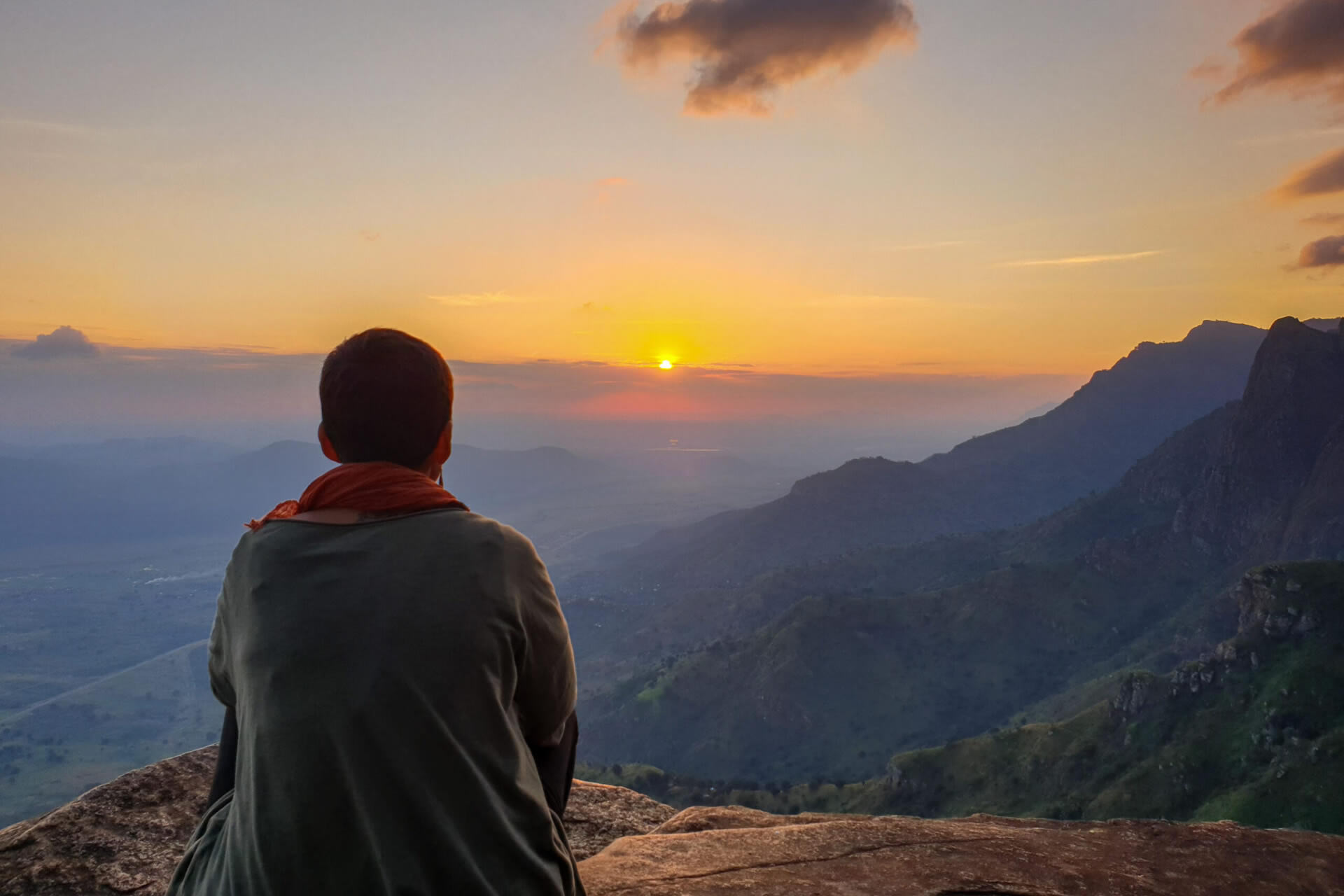
This longer stretch is widely regarded as Kilimanjaro’s prime climbing season. Rainfall drops to its lowest levels across much of northern Tanzania, skies are clearer, and the visibility from high camps and the summit is often breathtaking. For photographers and climbers seeking dramatic sunrise views from Uhuru Peak, this period is unmatched.
Because this season aligns with summer holidays in Europe and North America, trails — especially on popular routes like Machame and Marangu — become busier from July through September. However, the intensity of the weather stability makes this the most reliable time for high summit success rates. Routes less traveled, such as the Northern Circuit or Rongai, offer great alternatives for climbers seeking solitude while still enjoying excellent weather.
While temperatures at lower elevations may be comfortably cool, nights and higher reaches of the mountain can still be extremely cold, and wind chill becomes a factor near the summit. Because of this, climbers still need serious cold-weather gear even in the dry season.
Rainy Seasons — Challenges and Opportunities
Kilimanjaro’s rainy periods are far from impossible for climbing, but they demand preparation, flexibility, and often a heavier tolerance for discomfort.
April to May — The Long Rains
The most challenging period on Kilimanjaro, the long rains usually hit hardest from April through May. During this time, tropical forest trails become muddy and slippery, cloud cover thickens, and lower campsite drainage can make resting and cooking more difficult. Trail erosion and mud not only slow progress — they can also increase fatigue and the physical strain of the climb.
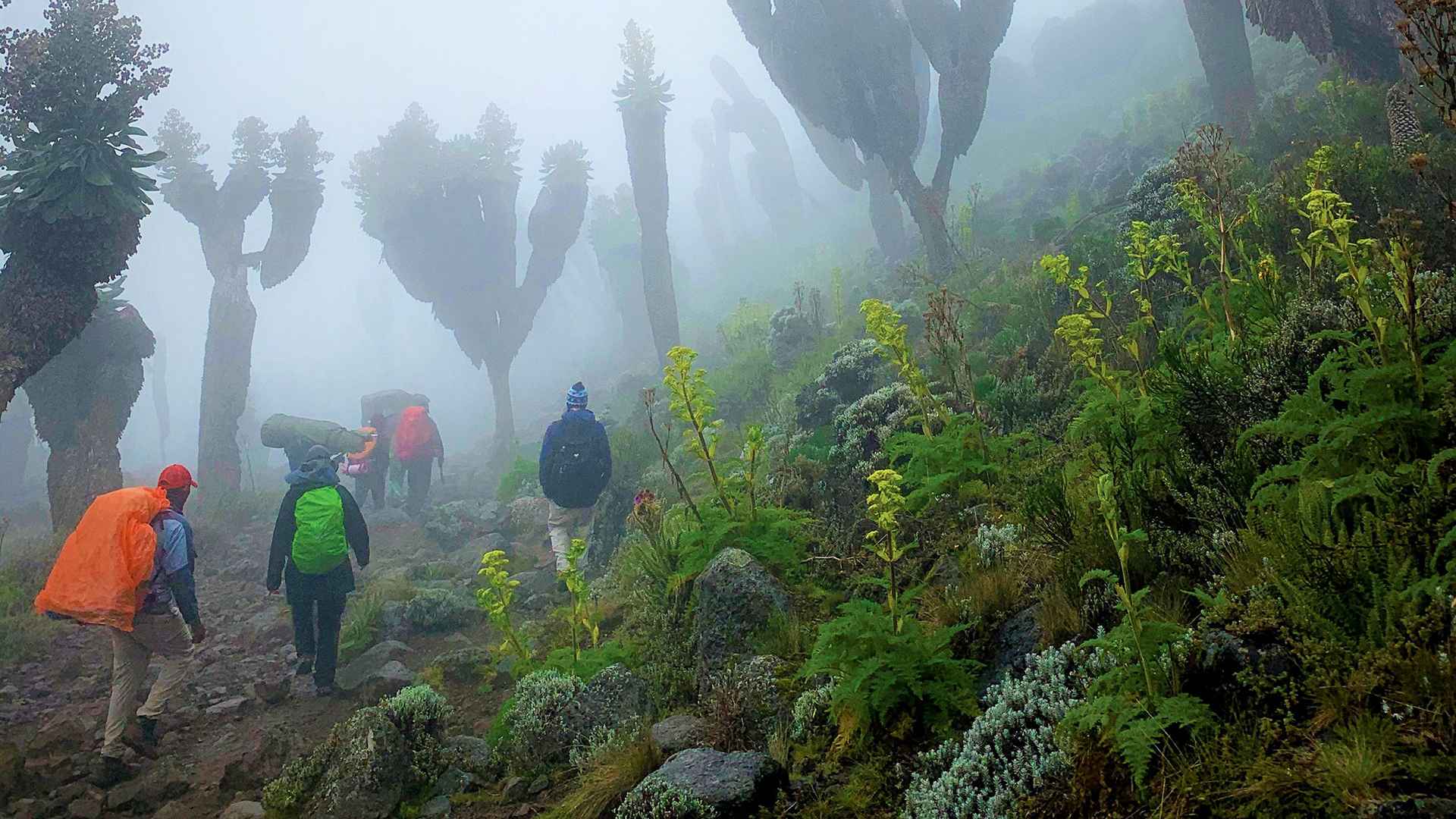
Because visibility is often limited, photography opportunities diminish, and summit conditions can feel less dramatic. Climbers who attempt Kilimanjaro in this season should have strong trekking experience, excellent rain gear, and a high level of flexibility and patience. The Rongai Route — on the mountain’s northern flank — is sometimes preferred during these months because it generally receives less rainfall than southern approaches.
November — The Short Rains
This period brings a shorter, less intense cycle of wet weather. Rain showers tend to arrive in the afternoon or evening and are usually less severe than during the long rains, but they can still dampen trails and make camping conditions less pleasant. The short rains are unpredictable and vary from year to year, so climbers must be prepared for mixed conditions.
For trekkers seeking solitude and lower costs, November can be an attractive choice, especially when paired with less rain-dependent routes like Rongai or the Northern Circuit. However, for most climbers — particularly first-timers — the dry seasons remain the safer and more comfortable windows.
Seasonal Impacts on Summit Success and Experience
Two dry windows — January to March and June to October — consistently provide the highest probabilities of reaching the summit and enjoying spectacular views. Dry conditions reduce the risk of altitude illness complications driven by physical stress and wet, slippery terrain. Clearer skies during these periods also mean better visibility from high camps, enhancing both safety and the emotional reward of panoramic alpine landscapes.
While Kilimanjaro is open year-round and summit attempts are possible even in rainy months, success rates tend to fall during wet seasons. Trails become heavier underfoot and cloud layers obscure views that many climbers hope to witness when standing atop Africa’s Roof.
As weather patterns can change rapidly even during the dry seasons, a flexible and well-equipped approach is essential year-round. Good waterproof gear, warm layers for summit nights, and a reliable guide team significantly improve both safety and enjoyment regardless of the month chosen.
Strategic Tips for Choosing Your Climbing Season
While the obvious markers — rain and dry spells — are central to planning, there are subtler elements that experienced climbers consider. For example, climbers aiming for a quieter trail often choose the early part of the dry seasons or the shoulder periods (such as late September). In contrast, photographers or groups seeking the most reliable view windows might aim for peak dry months like August.
The full-moon summit strategy is another tactical choice many climbers use during dry seasons. Planning your summit push around the phase of the moon can improve night visibility on summit night — even though it may require booking long in advance due to high demand.
In Summary
Climbing Mount Kilimanjaro is possible at any time of year, but not all months are created equal. Statistically, January through early March and June through October offer the most favorable weather, the best trail conditions, and the highest summit success rates. Rainy months can still provide beautiful experiences, especially for seasoned trekkers seeking solitude and lush scenery, but they require more preparation and resilience.