


Wondering How Many Days Do You Need to Spend in Serengeti National Park? For the best safari experience, we recommend at least three to four days to fully explore the vast plains, increase your chances of spotting the Big Five, and witness the incredible wildlife action that makes the Serengeti world-famous.
Serengeti National Park is one of the most extraordinary wildlife destinations on Earth. Famous for the Great Migration, vast golden plains, and unmatched predator sightings, the Serengeti is not a park you simply “visit” — it is a place you experience. One of the most common questions travelers ask when planning their safari with Mighty Africa Xpeditions is: How many days should I spend in Serengeti National Park?
The answer depends on your travel goals, budget, season of travel, and how deeply you want to explore this iconic ecosystem. However, to truly appreciate the Serengeti, it deserves more than just a brief stop.
Understanding the Size and Diversity of the Serengeti
Serengeti National Park covers approximately 14,750 square kilometers (5,700 square miles). It is not only vast — it is ecologically diverse. The park includes open savannah plains, riverine forests, rocky kopjes, woodlands, and seasonal wetlands. Wildlife concentrations shift throughout the year depending on rainfall and the movement of the Great Migration.
Because of this size and ecological variation, game viewing areas can be far apart. Traveling between different regions of the Serengeti may take several hours. Staying longer allows you to explore multiple areas without feeling rushed.
The Minimum Recommended Stay: Two Days
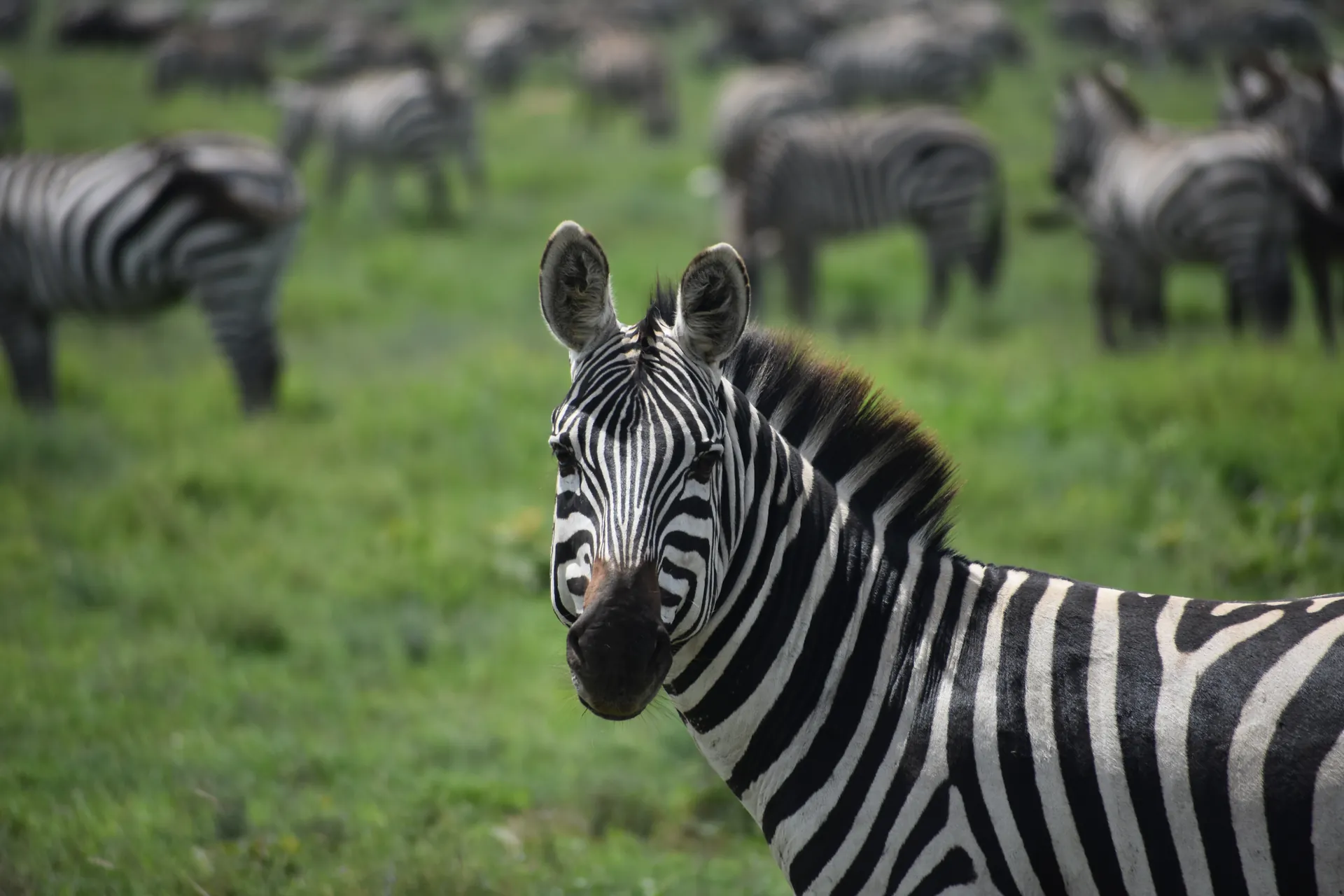
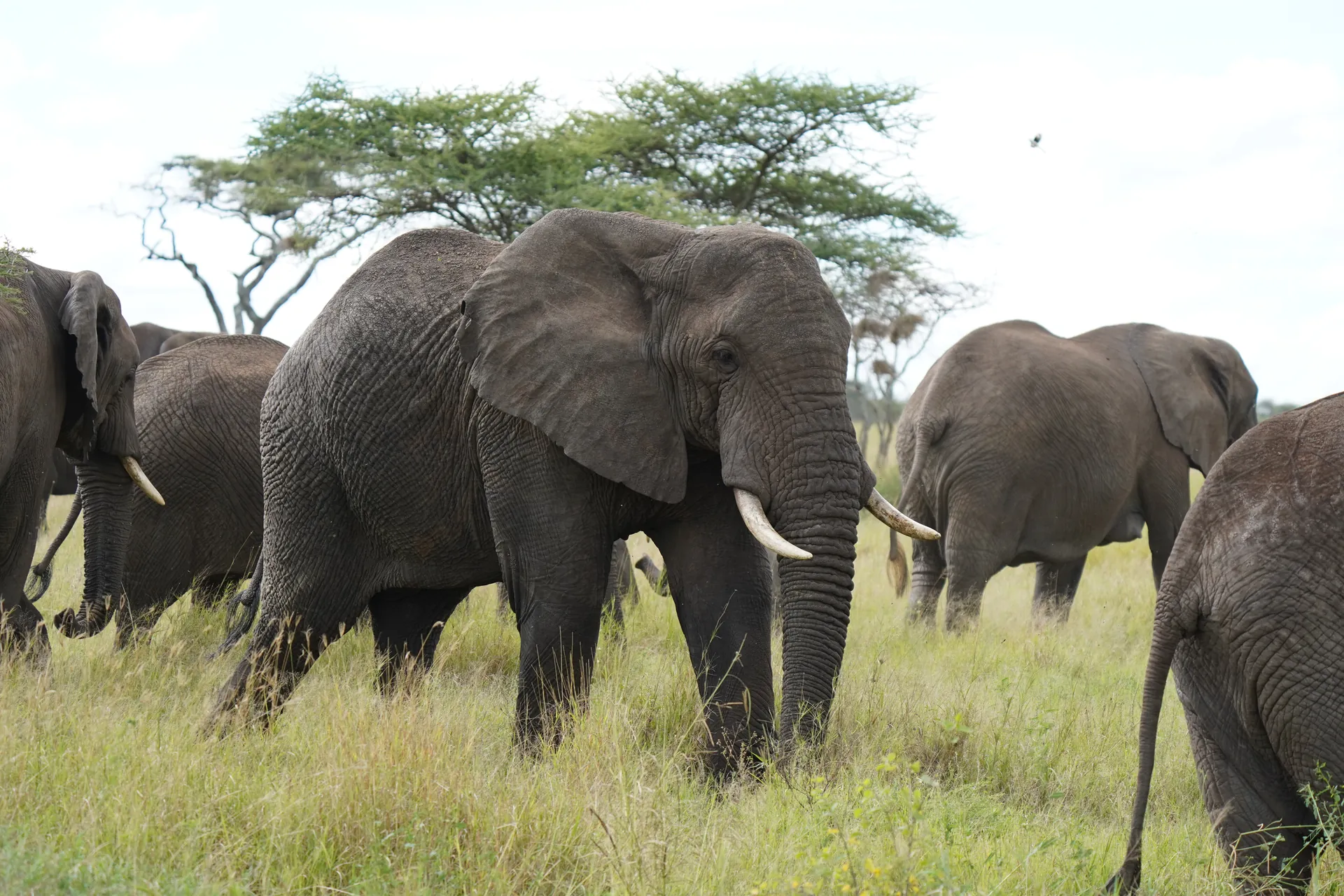
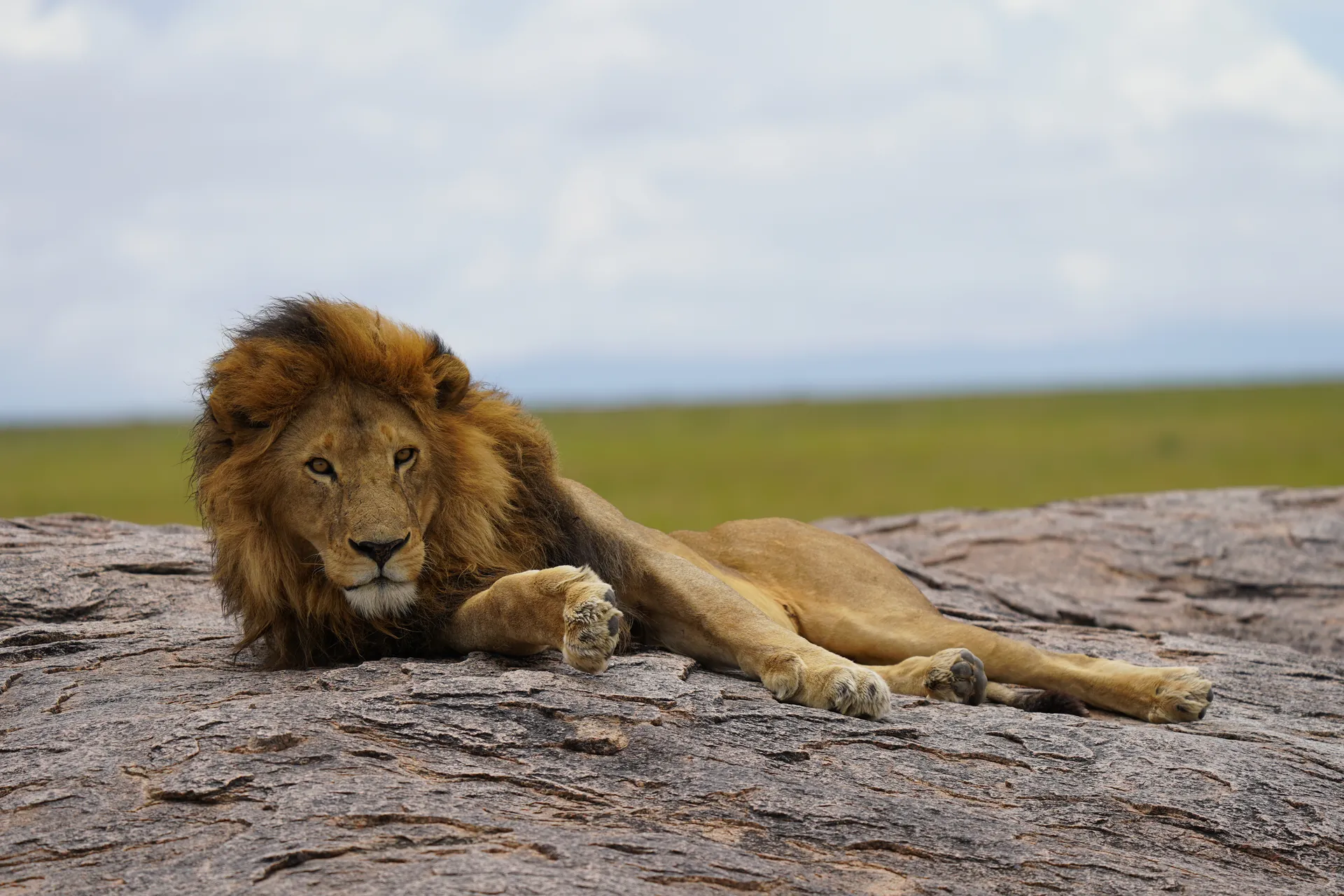
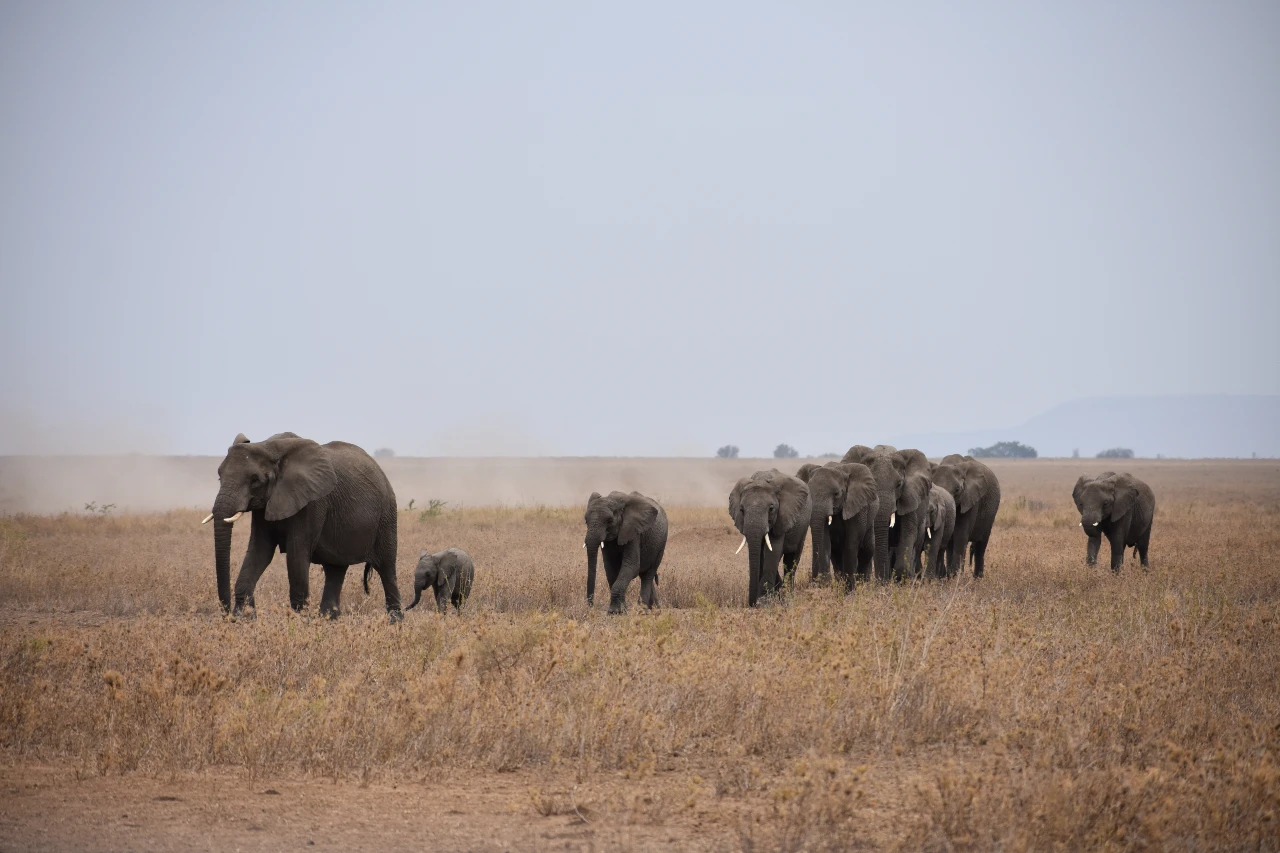
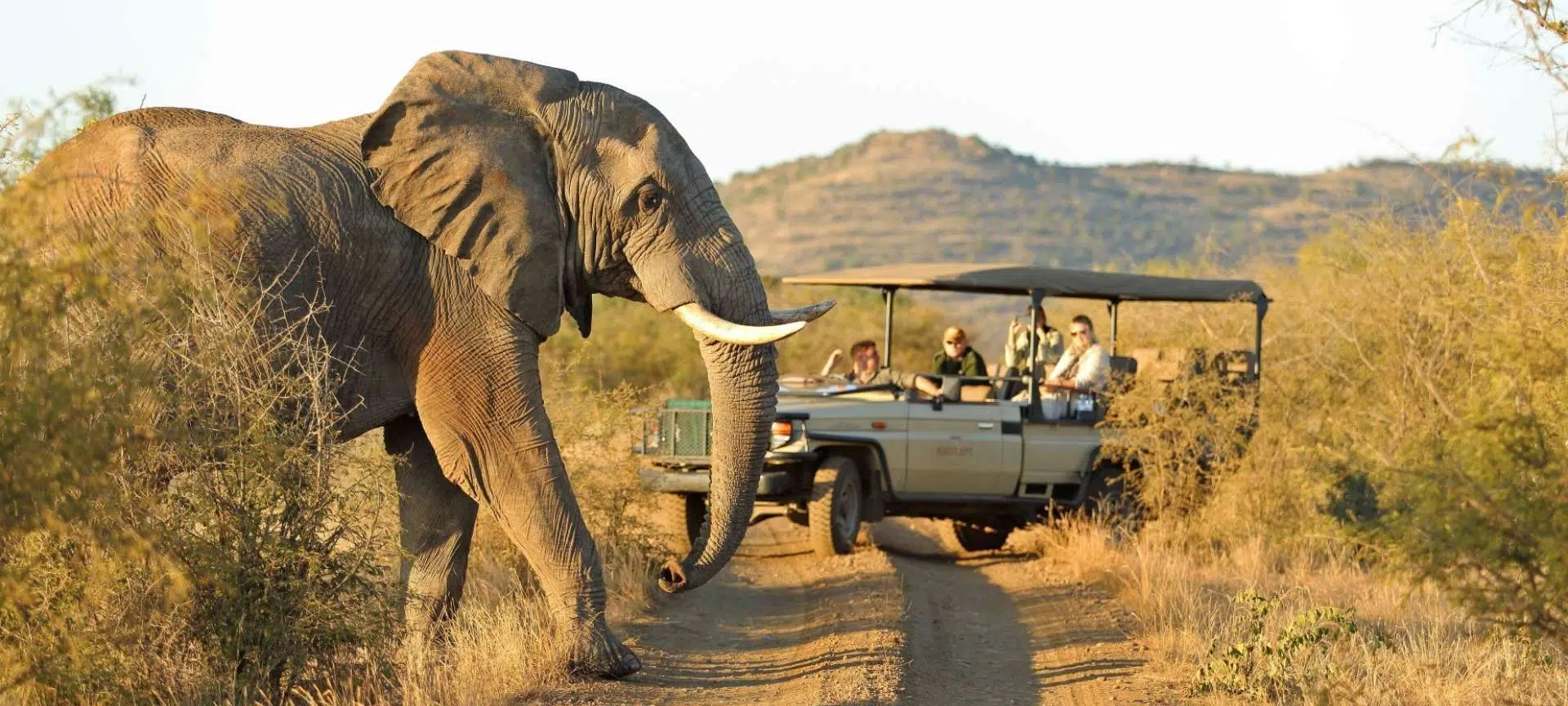
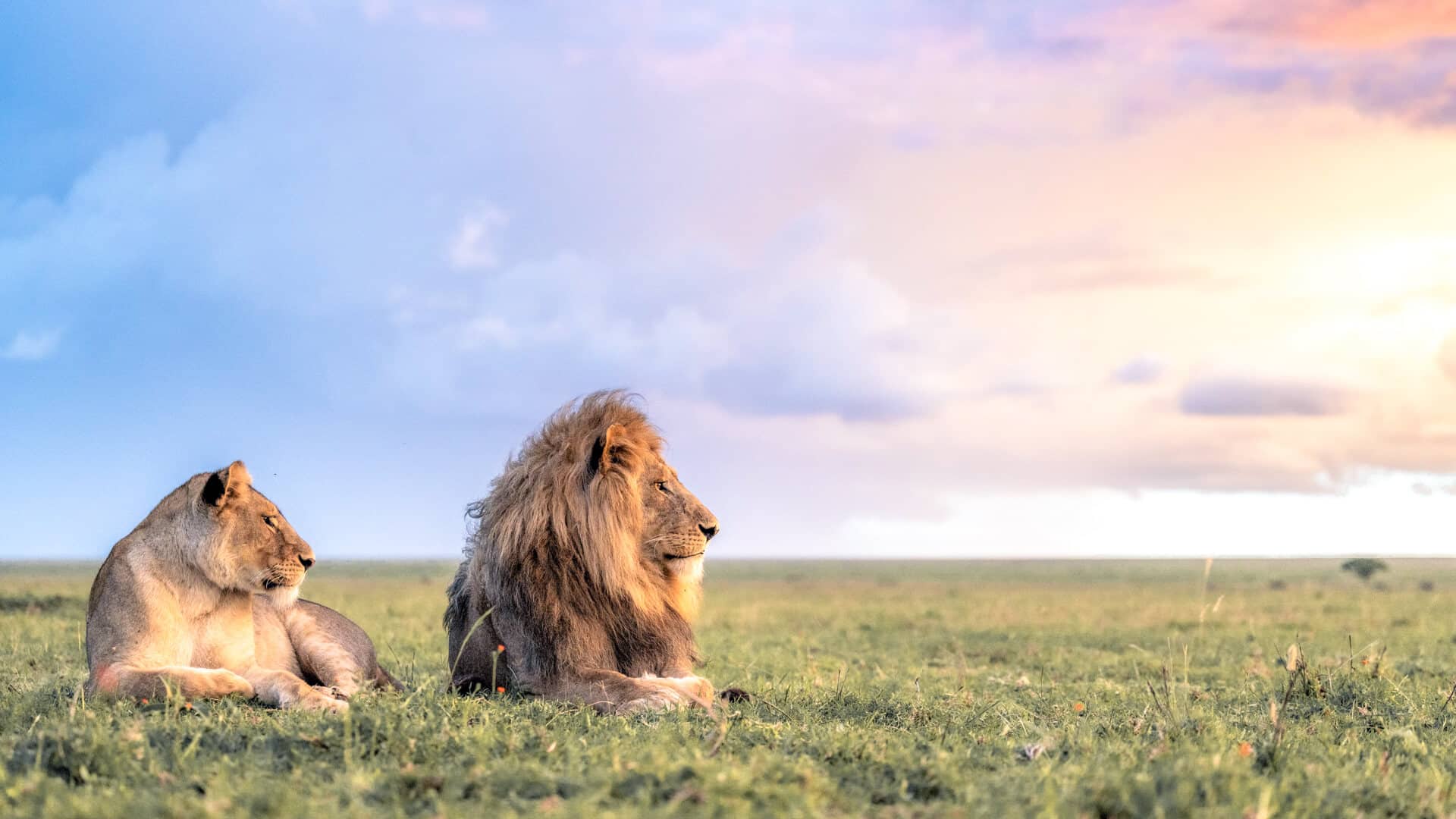
Spending two days in the Serengeti is considered the absolute minimum for a meaningful safari experience. With two full game drives, you can explore one primary region and have a good chance of seeing the Big Five — lion, leopard, elephant, buffalo, and rhino — along with cheetahs, giraffes, zebras, and large herds of wildebeest.
However, two days often feel short. Wildlife viewing in the Serengeti is dynamic. Animal movements are unpredictable, and special moments — such as a cheetah hunt or lion pride interaction — require time and patience. With limited days, you may feel pressure to move quickly rather than fully absorb the experience.
The Ideal Stay: Three to Four Days
For most travelers, three to four days in Serengeti National Park offers the perfect balance. This timeframe allows you to:
-
Explore different habitats within one region.
-
Increase your chances of witnessing predator action.
-
Enjoy both morning and late afternoon game drives.
-
Relax between drives and truly immerse yourself in the atmosphere.
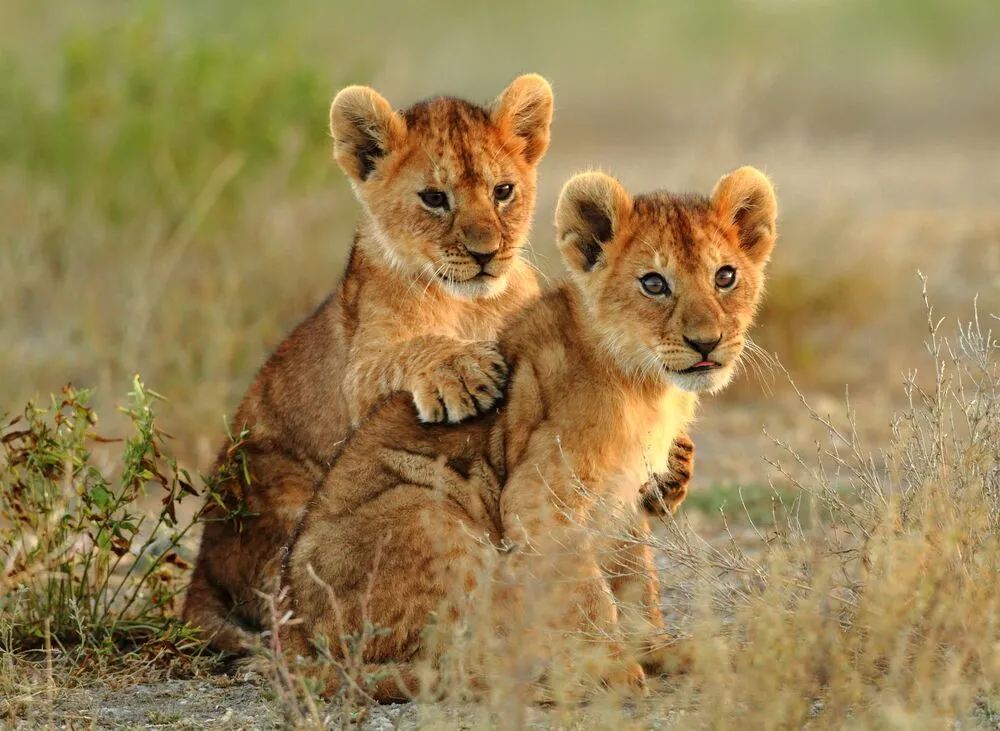
Three to four days also give flexibility to adjust your game drives depending on animal sightings. If you hear reports of a river crossing or a pride of lions with cubs nearby, you have time to reposition and experience those highlights.
At Mighty Africa Xpeditions, we often recommend at least three nights in the Serengeti to ensure a rewarding and unhurried safari.
Five Days or More: A Deeper Safari Experience
Spending five days or more in Serengeti National Park transforms your safari into a truly immersive wildlife journey. This is especially valuable during the Great Migration, when wildebeest herds move across different sections of the ecosystem throughout the year.
With extended time, you can explore multiple regions such as:
-
Central Serengeti (Seronera) – Excellent year-round wildlife viewing and predator concentration.
-
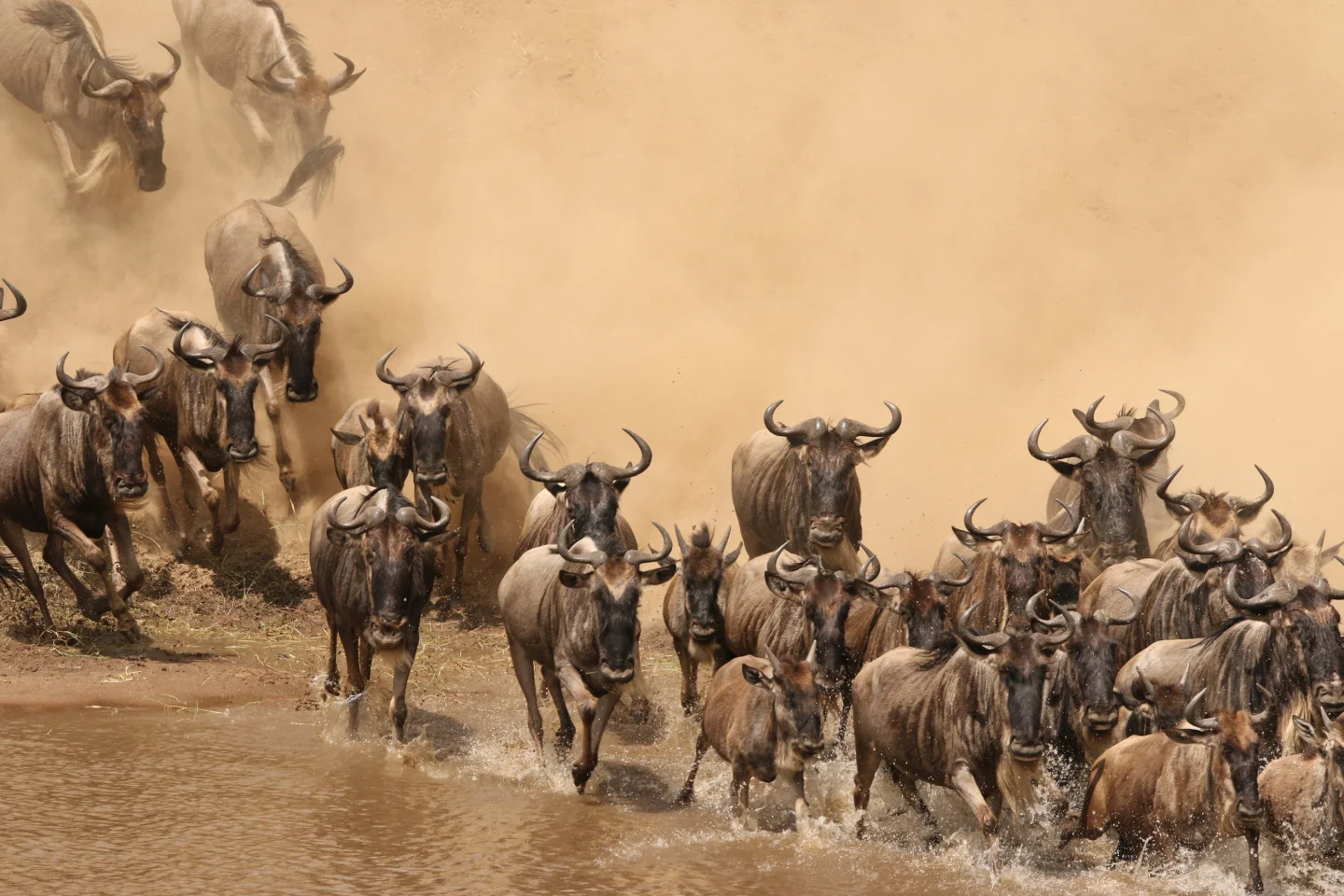
Northern Serengeti – Famous for dramatic Mara River crossings (July–October).
-
Southern Serengeti / Ndutu Area – Calving season from December to March.
-
Western Corridor – Known for Grumeti River crossings around May and June.
Longer stays allow you to follow wildlife movement patterns and experience the Serengeti’s changing landscapes. Photographers, wildlife enthusiasts, and travelers seeking a slower pace greatly benefit from extended itineraries.
Timing Matters: The Role of the Great Migration
If witnessing the Great Migration is a priority, the number of days you spend becomes even more important. The migration is not a single event but a year-round cycle of movement. Depending on the month, the herds may be in the south, west, or north of the Serengeti.
Spending additional days increases your chances of being in the right place at the right time. River crossings, in particular, can require patience, as herds sometimes gather for hours before crossing.
Combining Serengeti with Other Parks
Many Tanzania safari itineraries combine Serengeti National Park with Ngorongoro Crater, Tarangire National Park, or Lake Manyara. If your total safari duration is limited to five or six days, allocating at least two to three nights for the Serengeti ensures you do not rush through one of Africa’s greatest wildlife destinations.
For travelers with seven to ten safari days, we recommend dedicating four or more nights to Serengeti and dividing the remaining time among other parks.
The Experience Beyond Game Drives
Spending more days in the Serengeti is not only about increasing wildlife sightings. It is also about:
-
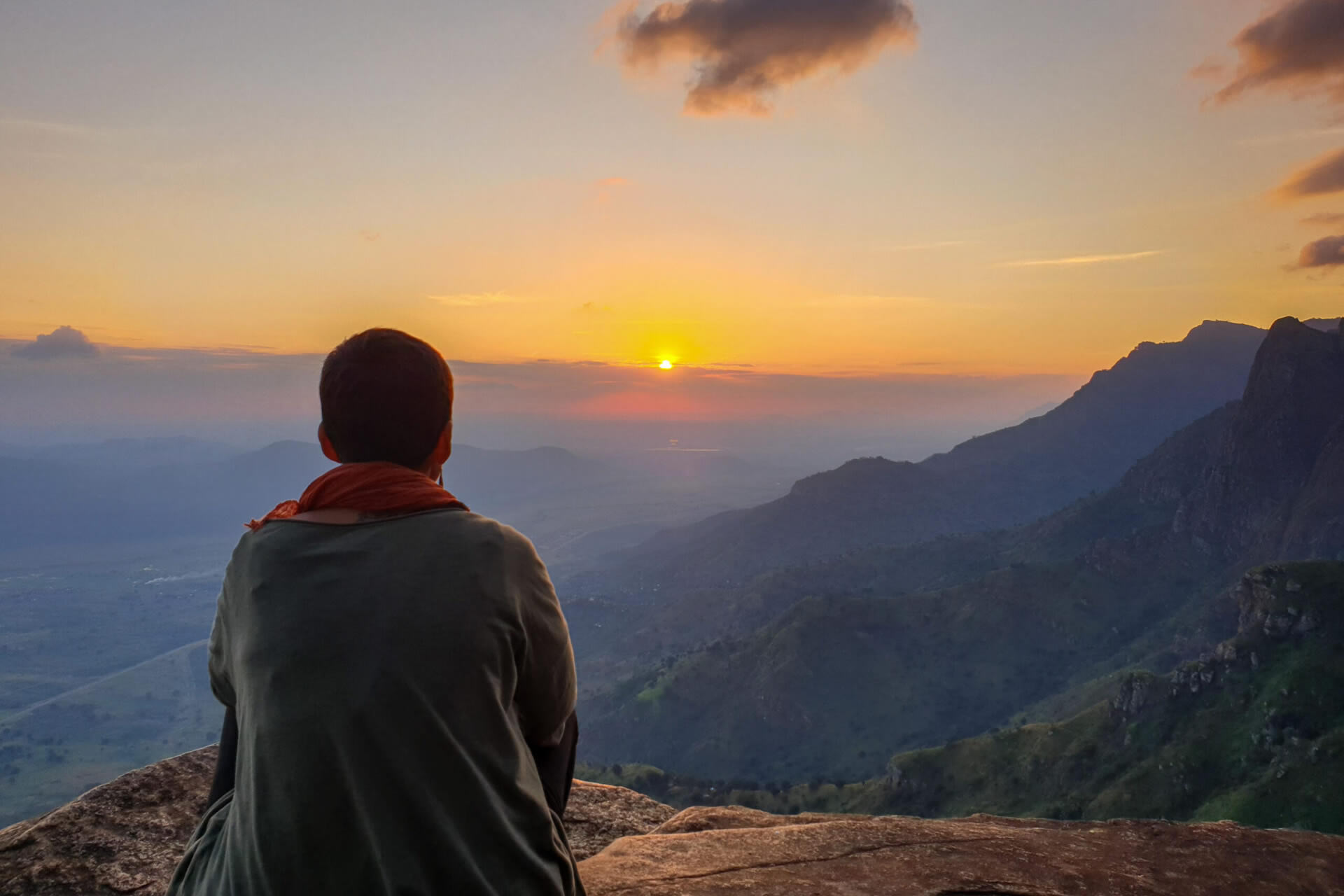
Experiencing the silence of sunrise over endless plains.
-
Enjoying sundowners in the bush.
-
Listening to lions roar at night from your tented camp.
-
Connecting with your guide and learning deeper ecological insights.
Safari is not just a checklist of animals — it is a rhythm of nature. The longer you stay, the more you begin to feel that rhythm.
So, How Many Days Do You Really Need?
For a brief introduction, two days can provide a glimpse of the Serengeti. For a fulfilling safari experience, three to four days are ideal. For travelers who want to follow the Great Migration, explore multiple regions, and immerse themselves fully in Africa’s most famous ecosystem, five days or more is highly recommended.
At Mighty Africa Xpeditions, we design customized Serengeti itineraries based on your interests, travel season, and desired pace. Whether you are visiting for the first time or returning for a deeper exploration, we ensure every day in the Serengeti is unforgettable.
The Serengeti is vast, alive, and ever-changing. Give it the time it deserves — and it will reward you with moments you will carry for a lifetime.